Project Snapshot
Role: Lead Product Designer
Duration: 12 Months
Team: Product Design, Product Management, Engineering
Platform: Adlumin Security Operations Platform
Impact
Led the creation of Adlumin's first centralized enterprise design system
Designed and documented 100+ reusable components for cross-platform adoption
Standardized design patterns, tokens, and interaction behaviors across security products
Transformed fragmented experiences into a unified, scalable web application framework
Accelerated design and development workflows through reusable components and shared standards
Established responsive layouts and accessibility guidelines for enterprise-scale applications
Expanded design system adoption across multiple teams and product areas
Contributed during Adlumin's growth from ~$30M to ~$266M acquisition by N-able
Adlumin Design System
Standardizing a fragmented cybersecurity platform into a scalable enterprise application
Overview
When I joined Adlumin, the product was a collection of disconnected cybersecurity tools with no unified design standards. The experience was inconsistent, slowed pattern recognition, and created friction across workflows.
I was tasked with designing and implementing a centralized design system to standardize the platform and transform it into a cohesive, scalable web application.
In parallel, I established a comprehensive documentation and workflow framework to align design, product, and engineering—ensuring the system could scale efficiently from concept to production.
System Transformation
The platform evolved from fragmented tools into a unified design system with reusable components and consistent interaction patterns.
Desktop Before Redesign: Fragmented Desktop Experience
Desktop After Redesign: Unified Design System
Problem
Disjointed UI across independently built tools
No shared design standards or reusable components
Inconsistent interactions slowed usability
Limited scalability for product growth
Information Architecture Redesign
The original platform lacked a cohesive structure, making it difficult for users to navigate across fragmented tools and deeply nested workflows.
I redesigned the information architecture to align with the mental models of key user groups, including SOC analysts and IT administrators managing multi-site environments such as school districts.
Through user interviews and workflow analysis, I restructured navigation, surfaced critical workflows to reduce depth, and introduced clear wayfinding patterns—such as breadcrumbs and a centralized dashboard homepage.
This shift moved the platform from a tool-based structure to a workflow-driven experience, enabling users to operate more efficiently in complex, data-heavy environments.
Approach
I led the creation of the Adlumin Design System, built on Material Design for Bootstrap (MDB) to establish a single source of truth for design and development.
Standardized UI components and interaction patterns
Re-architected the platform into a unified application
Enabled engineers to reuse production-ready MDB components
Partnered across product and engineering teams
To operationalize the system, I also introduced a documentation and workflow framework that:
Defined end-to-end UX workflows from feature request → production
Standardized design → engineering handoff processes
Integrated design into the CI/CD lifecycle
Established a shared Definition of Done for release readiness
Enabled continuous improvement through retrospectives
System Design
Components
Color Systems
Responsive Grids
Standards & Scalability
Component-driven system aligned with engineering workflows
Reusable patterns that accelerated development
Consistent interactions across the platform
Accessibility
Designed to meet WCAG 2.1 AA standards
Improved readability and usability across data-heavy interfaces
Pattern Recognition
Established consistent UI patterns for faster user comprehension
Reduced cognitive load across complex workflows
Color System (Cybersecurity Context)
Traffic-light system for rapid decision-making:
Red → Critical threats
Yellow → Warnings
Green → Safe / resolve
Typography & Performance
Used system-native fonts via MDBootstrap
Optimized rendering across browsers and devices
Improved performance and readability
Responsive & Mobile Layout System
Simplified Responsive Framework
Standardized responsive breakpoints for consistency and scalability
767px and below = mobile
Tablet layouts intentionally aligned with mobile patterns
Reduced layout fragmentation across teams and workflows
Created predictable responsive behaviors for faster implementation
Mobile-First System Thinking
Unified mobile navigation and interaction patterns
Optimized dense cybersecurity workflows for smaller screens
Simplified hierarchy and card-based layouts for rapid scanning
Maintained consistent component behavior across desktop and mobile
Responsive Design Principles
Reusable grid and spacing system
Consistent typography scaling
Touch-friendly interactions and controls
Responsive cards, tables, filters, and navigation components
Mobile System in Action
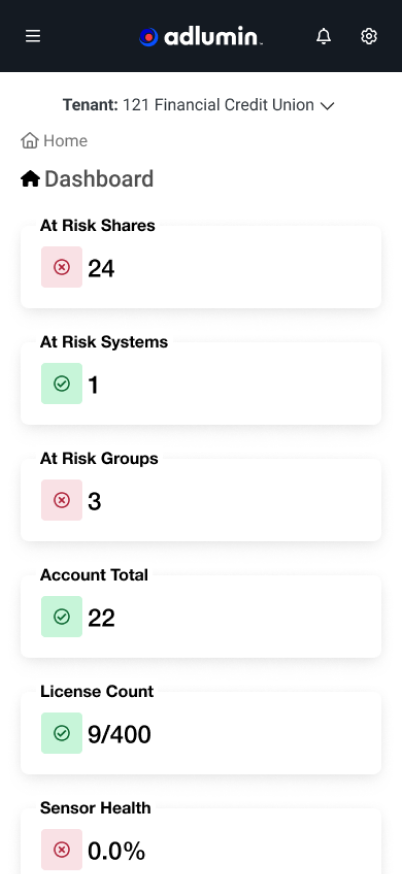
System in Action
Integrations Page
Impact
Transformed a fragmented toolset into a unified, scalable web application
Established a design system adopted across multiple engineering teams
Reduced ambiguity between design, product, and engineering through standardized workflows
Increased development speed through reusable components and clear handoff processes
Improved usability, consistency, and efficiency across complex SOC workflows
Enabled scalable growth of both the platform and design system
Contributed to company growth from ~$30M to $266M+ acquisition